Gula melaka, gula apong and gula kabung: what is the difference
Three palm sugars that look alike. How gula melaka, gula apong and gula kabung differ in source, colour, form and use.
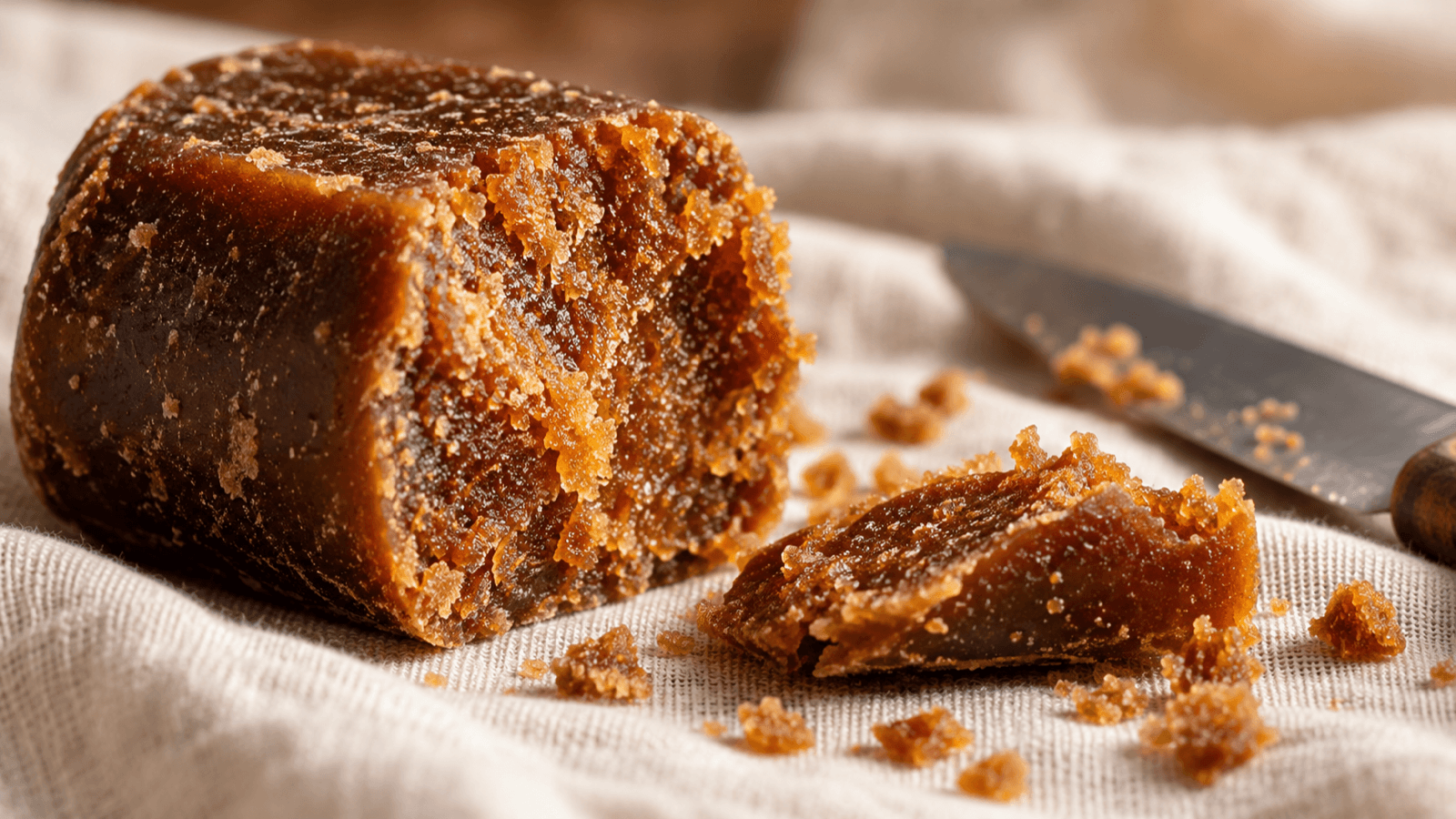
Browse a market stall or a sundry shop and you may see three names that sound alike: gula melaka, gula apong and gula kabung. All three are palm sugars, all three are brown, and all three turn up in kuih. But they come from different palms, and that changes the colour, the form and the taste. Here is a plain guide to what sets them apart and when each one is the natural pick.
Where each sugar comes from
The method is broadly the same for all three. Sap is collected from the flower stalk of a palm, then cooked slowly until the water reduces and the sap thickens. What differs is the palm.
Gula melaka: from the coconut palm
Gula melaka is made from coconut palm sap, known locally as nira kelapa. Our Gula Melaka Blocks are cooked and concentrated from that sap, with no granulated sugar and no preservatives added, as the maker states it. The name links it to Melaka, and around towns such as Alor Gajah and Jasin coconut palms are a familiar sight in the kampung.
Gula apong: from the nipah palm
Gula apong comes from the sap of the nipah palm, which grows in mangrove swamps and river estuaries. It is closely tied to Sarawak, and plenty of visitors to Kuching carry some home as a gift.
Gula kabung: from the sugar palm
Gula kabung is made from the sap of the enau palm, also called the aren or kabung palm. In Indonesia a sugar like this is usually sold as gula aren.
Colour, form and flavour
The different palms lead to differences you can see and taste. Treat what follows as a general picture, since every maker cooks a little differently.
The forms you usually find
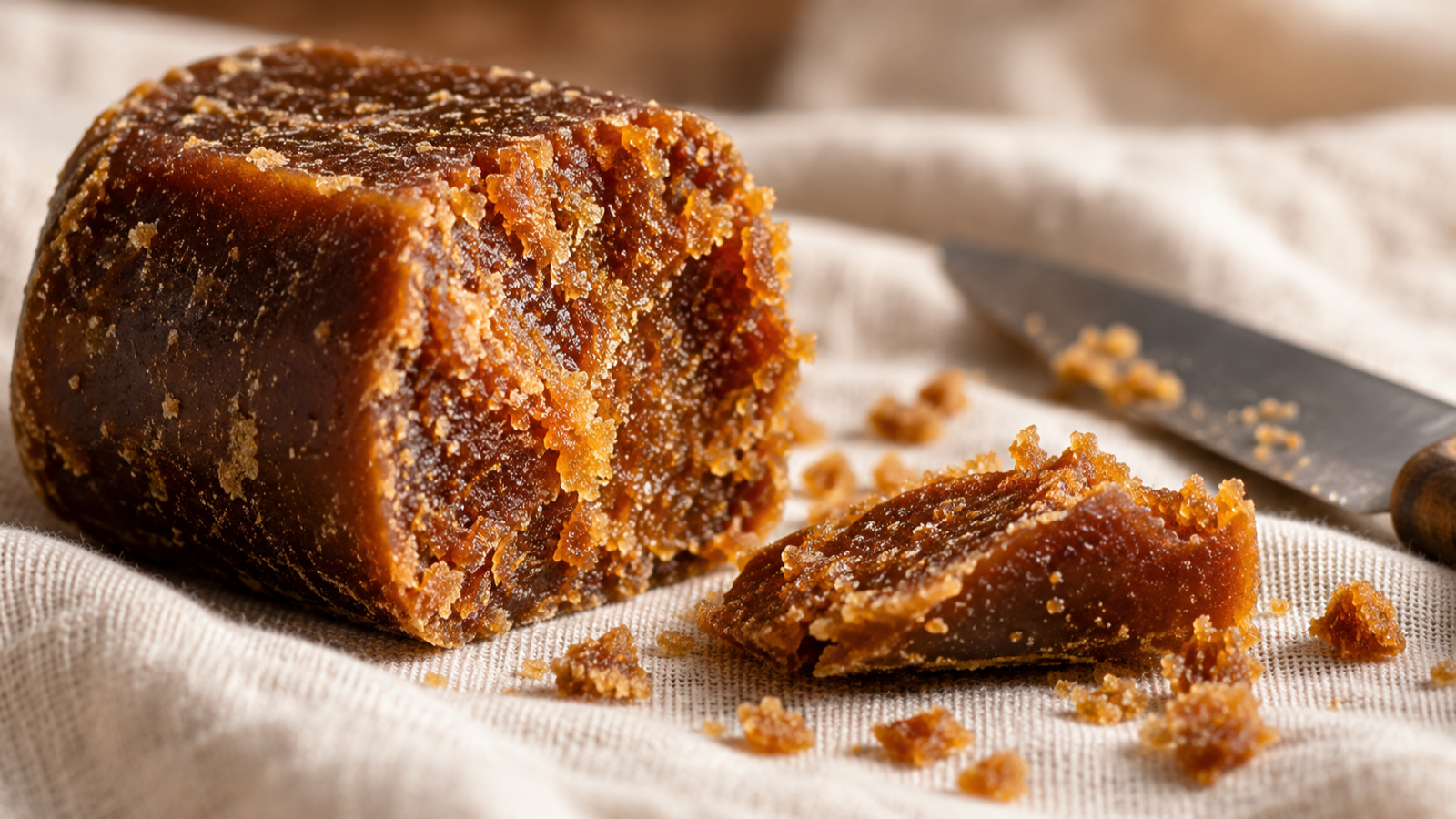
- Gula melaka is most often sold as cylinder blocks, shaped in bamboo moulds. It also comes as granules and as syrup.
- Gula apong tends to be softer, and some is sold in tubs because the texture is closer to a paste.
- Gula kabung is often shaped in moulds such as coconut shells or bamboo, and is usually hard.
Colour and aroma
Gula melaka usually runs from caramel brown to dark, with a deep caramel aroma. Gula apong has a flavour all its own that some people describe as slightly salty or smoky. Gula kabung is often darker still, with a strong taste.
Why colour varies within one type
Cooking time and heat both affect colour. Sap that is cooked longer tends to come out darker, so two gula melaka blocks from different makers may not match.
Typical uses in the kitchen
In many recipes the three can stand in for one another, though the flavour will shift. Choose by the taste you are after.
When to reach for gula melaka
Gula melaka is the usual choice for sago gula melaka, cendol, pengat pisang, kuih lopes, keria, apam, pandan cake and agar-agar santan. It also works in a gula melaka latte, on pancakes and in everyday cooking. Blocks, granules and syrup let you match the form to the recipe.
When gula apong or gula kabung makes sense
Gula apong is often used in traditional Sarawakian kuih and to sweeten drinks. Gula kabung goes into kuih and dishes that want a deeper sweetness. If a family recipe names one of them, it is worth following the recipe.
Swapping one for another
If you replace gula apong or gula kabung with gula melaka, start with the same weight, then taste and adjust. For kuih that need melted sugar, see our guide on how to melt gula melaka.
What we sell
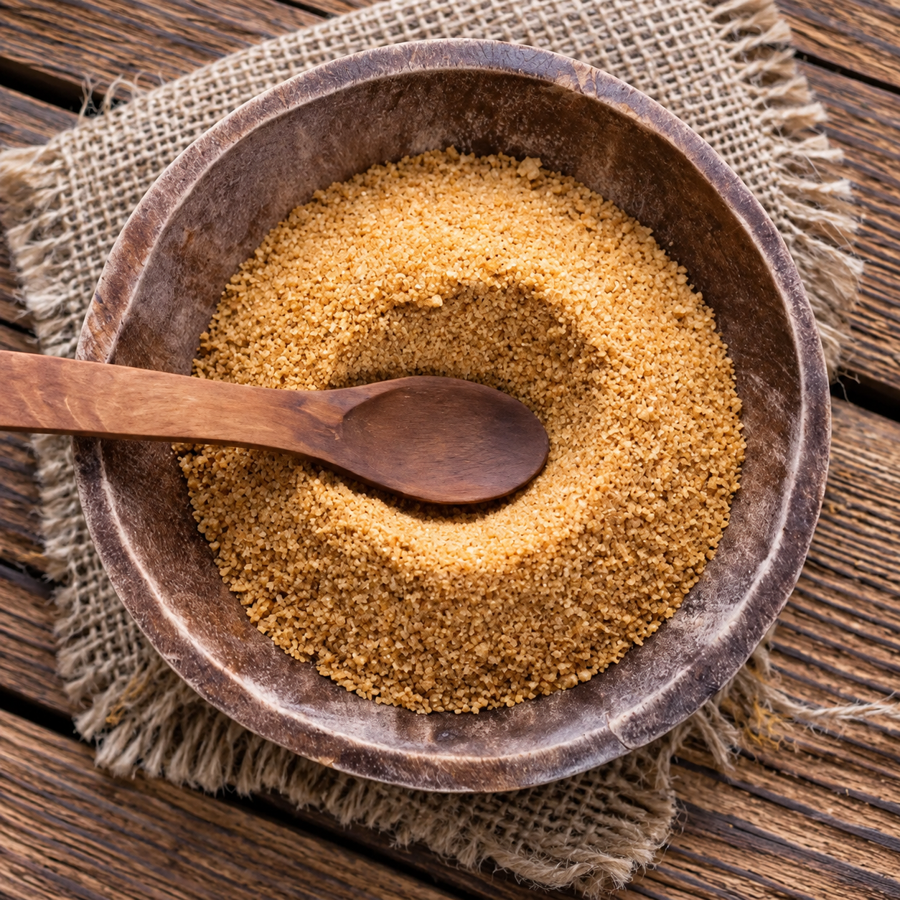
Warisan Gula Melaka sells only gula melaka from coconut palm sap, in three forms: Gula Melaka Blocks, Gula Melaka Granules and Gula Melaka Syrup. Every order is vacuum packed and our products are certified Halal by JAKIM. Orders reach every corner of Malaysia.
Choosing the right form
Blocks suit recipes where the sugar is melted or grated, such as sago, pengat and kuih. Granules are easy to measure and mix into dry ingredients, which makes them handy for cakes and biscuits. Syrup is ready to pour into drinks, over cendol or onto pancakes without cooking first.
Prices and ordering
Gula Melaka Blocks are RM18/kg for 1 to 99 kg and RM15/kg for 100 kg and above. Granule and syrup prices are confirmed on WhatsApp. Full details are in the prices section.
Still unsure which form suits your recipe? Tell us what you are cooking and we will help you choose. Chat with us